Industrial real estate remains one of the most stable, transparent and strategically advantageous asset classes for both borrowers and lenders. Its resilience is grounded in a unique blend of predictability, operational clarity and long-term demand.


Industrial real estate remains one of the most stable, transparent and strategically advantageous asset classes for both borrowers and lenders. Its resilience is grounded in a unique blend of predictability, operational clarity and long-term demand.

The logistics demand surge is attributed to the “re-industrialization of America,” fueled by data center development, e-commerce growth, and resilient consumer spending.
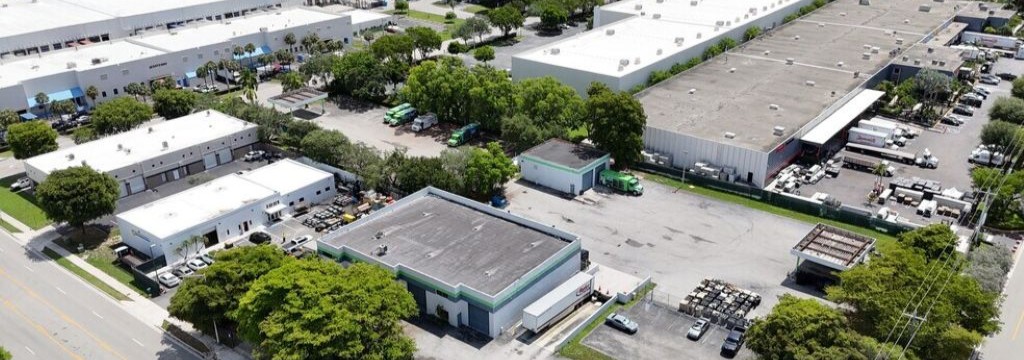
The 2.8-acre site, which is zoned industrial, includes a 12,000-square-foot, two-story main building; a 7,500-square-foot warehouse; and a 2,200-square-foot maintenance shop.

Under a newly signed executive order, several agricultural and food products will no longer be subject to reciprocal tariffs. The list spans beef, beans, nuts, fruits and vegetables such as tomatoes and bananas, as well as tea, coffee, and various spices.

Regionally, the Southeast multi-tenant industrial sector led all markets with $5.2 billion in third-quarter transactions, representing 29.4% of national volume.