The most successful maintenance organizations in 2026 will focus less on acquiring additional tools and more on improving how knowledge, data, and maintenance activities are connected.


The most successful maintenance organizations in 2026 will focus less on acquiring additional tools and more on improving how knowledge, data, and maintenance activities are connected.
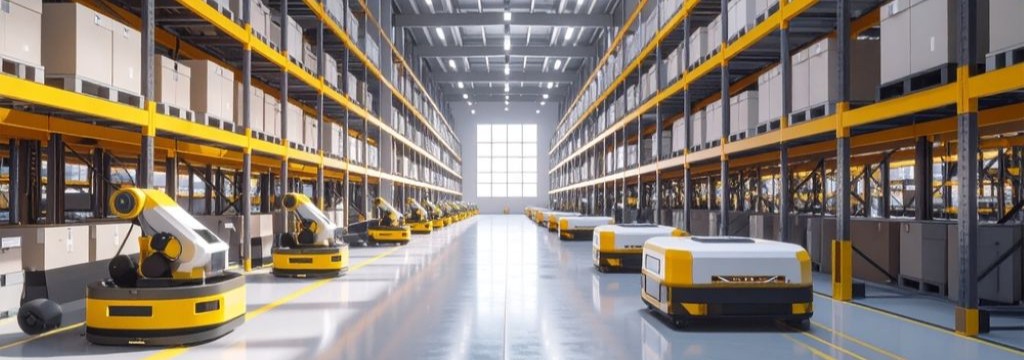
Businesses are increasingly adopting automation to address labor shortages, handle more complex supply chains, and make better use of existing space. Prologis expects that by 2035, up to half of all modern warehouses could incorporate some form of automation, with flexible systems leading the way.

From automotive parts to pharmaceuticals, cargo in transit or storage is increasingly vulnerable to theft, tampering, and disruption. In response, a new generation of security technology is stepping up—autonomous robotics and artificial intelligence.
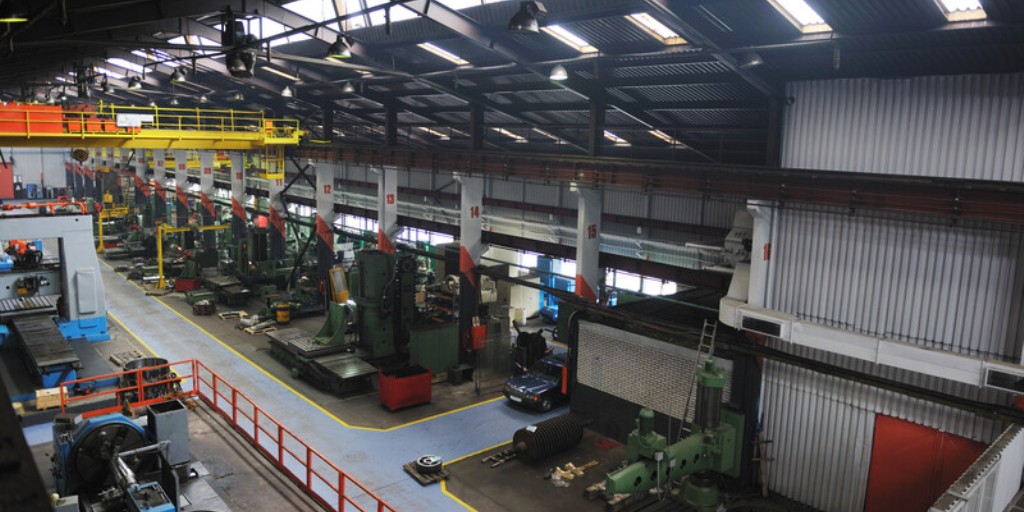
Although e-commerce-fueled bulk logistics space is the darling of the current cycle, manufacturing stimulates industrial space demand for both factories and warehouses. Investors seeking higher cap rates are finding them in industrial spaces serving manufacturing. CLICK ON THE HEADLINE FOR MORE
A supply chain crisis and severe labor shortages are creating mega challenges for developers—but industrial projects are pushing through. Demand for industrial space is so strong, and as a result the asset class remains “unencumbered” by labor shortages, according to Louis Archambault, an attorney at Saul Ewing Arnstein & Lehr.