Regionally, the Southeast multi-tenant industrial sector led all markets with $5.2 billion in third-quarter transactions, representing 29.4% of national volume.


Regionally, the Southeast multi-tenant industrial sector led all markets with $5.2 billion in third-quarter transactions, representing 29.4% of national volume.

Class B Industrial assets account for 53.5% of the total U.S. industrial inventory, or 10.7 billion square feet. Their appeal to attract a broad range of businesses has grown in the wake of declining vacancy rates and surging rental costs after 2021.

After a period of rising vacancies and subdued rent growth, the world’s largest warehouse owner and developer expects to ramp up property acquisitions in the coming months in a bet that industrial real estate demand will accelerate next year.

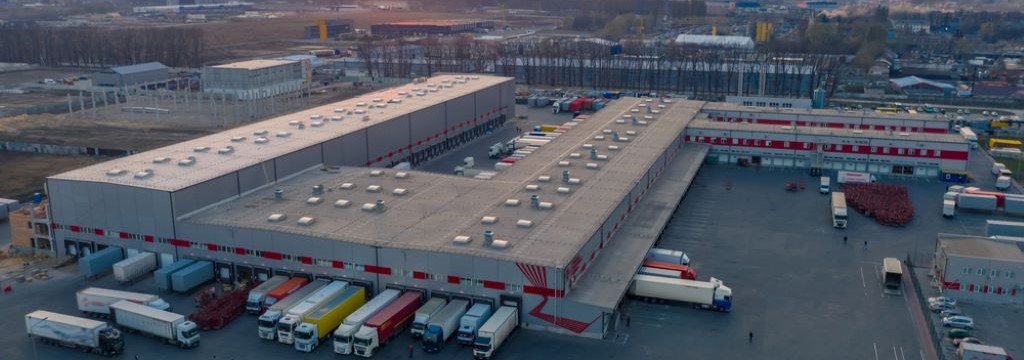
Evolving in recent years, manufacturing facilities, warehouses, and distribution hubs have all been influenced by developments in technology, sustainability, and customer expectations. Take a look at some of the trends that are shaping the industrial property space for 2024 and beyond.
Location, transportation access and available labor are key for all tenants. Beyond that, wishlists will vary depending on what the company makes or distributes. But still, trends can be observed.