
Doral Commercial Realty Spreads Its Wings Beyond Industrial Roots
July 27, 2026
Doral’s commercial real estate market is entering a new phase of growth, evolving from a warehouse-driven business hub into a more balanced community where industrial, retail, office and residential development are all playing increasingly important roles.
Long recognized as one of South Florida’s premier industrial markets, Doral continues to benefit from strong demand for logistics and distribution space. Although industrial vacancies have risen from the record-low levels experienced during the post-pandemic boom, the market remains healthy as businesses adjust to changing economic conditions.
The surge of warehouse construction over the past several years has introduced additional inventory, giving tenants more leasing options. At the same time, inflation, tariffs and higher transportation costs have prompted many logistics companies to optimize their operations rather than expand aggressively. Even so, leasing activity has picked up in recent months, reflecting continued confidence in the market.
Investor interest also remains strong. Private equity firms and institutional buyers continue acquiring industrial outdoor storage (IOS) properties, including truck terminals, equipment yards and other outdoor storage facilities. Many older trucking sites are being repositioned as part of this growing industrial real estate niche, while investment groups are also targeting smaller Class B and Class C industrial properties.
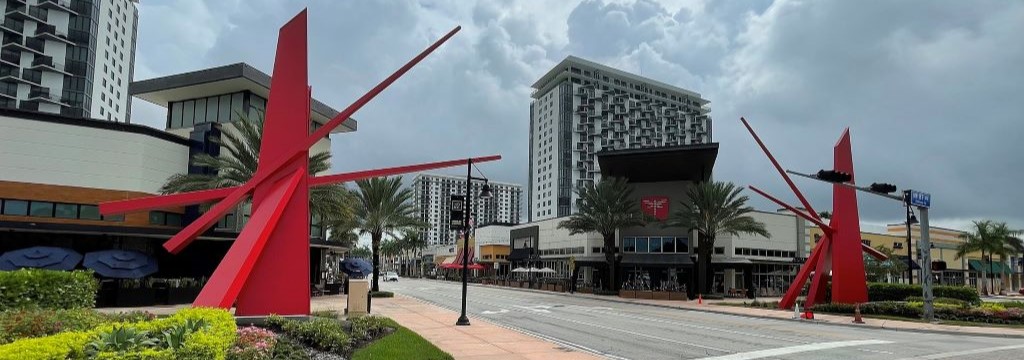
Retail has emerged as one of Doral’s strongest commercial sectors. Limited vacancies and steady population growth have pushed storefront rents to record levels in some shopping centers, with asking rents exceeding $60 per square foot. As new residential communities expand, retailers continue following the growing customer base, while healthcare providers and other service-oriented businesses are increasingly opening locations throughout the city.
The office market is also showing gradual improvement after several years of uncertainty following the pandemic. As more employers encourage workers to return to the office, leasing activity has strengthened and rental rates have begun to trend upward. While office growth has not matched the gains seen in industrial and retail properties, the sector is steadily recovering.
Doral’s commercial landscape is also beginning to change physically. Some warehouse properties located along major thoroughfares are being redeveloped into retail centers, reflecting the area’s shifting demographics and increasing consumer demand. Meanwhile, state legislation such as the Live Local Act has encouraged developers to evaluate commercial sites for multifamily housing opportunities, creating the potential for larger mixed-use projects that combine residential, retail and commercial uses.
As developable land becomes increasingly scarce, future growth is expected to extend farther west beyond Florida’s Turnpike, where additional development opportunities remain available.
The city’s expanding residential population has strengthened demand for restaurants, entertainment venues and neighborhood services, allowing more residents to live, work and spend their leisure time within the community. That evolution has transformed Doral from a primarily employment center into a destination that offers a broader mix of housing, commerce and lifestyle amenities.
Supported by a diverse commercial tax base, quality schools and continued investment, Doral appears well positioned to sustain its growth. With activity remaining strong across multiple property sectors and developers continuing to identify new opportunities, the city’s commercial real estate market is expected to remain one of South Florida’s most dynamic for years to come.
Source: Miami Today