
Large-Scale Logistics Warehouses Gain Strength As New Construction Slows
August 5, 2026
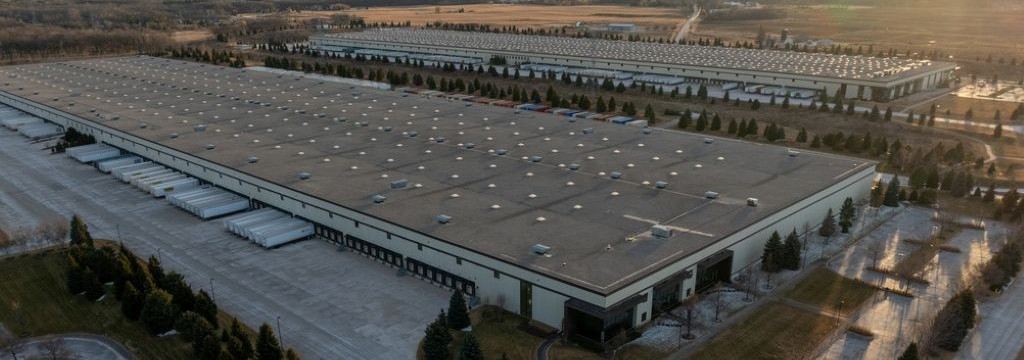
The U.S. industrial real estate market is settling into a new cycle following several years of extraordinary warehouse development. Construction has slowed considerably, but the effects are not being felt equally across all types of industrial properties. Large bulk-distribution facilities are showing some of the strongest signs of improvement.
Industrial construction starts totaled approximately 53 million square feet during the first quarter of 2026, representing the lowest quarterly volume since 2014. Higher borrowing costs, more restrictive construction financing, slower rent growth and elevated vacancies in certain markets have made developers more cautious about launching new projects.
At the same time, building costs remain high. Warehouse construction expenses are estimated to be approximately 48 percent above their year-end 2020 level. Continued demand for labor and materials from data centers, energy infrastructure and advanced manufacturing projects has prevented costs from declining significantly.
These conditions have produced an especially steep drop in the development of very large logistics buildings. The amount of warehouse space exceeding 1 million square feet that is under construction declined from roughly 137 million square feet in the third quarter of 2022 to approximately 43 million square feet by the second quarter of 2026—a reduction of nearly 70 percent.
The smaller development pipeline is already affecting vacancy. Since late 2024, the vacancy rate for buildings larger than 1 million square feet has declined by 196 basis points. Properties ranging from 500,000 to 1 million square feet recorded a 130-basis-point decrease.
Smaller warehouse categories have not experienced the same turnaround. Vacancy has continued to rise among facilities between 100,000 and 500,000 square feet, suggesting that the industrial recovery is unfolding differently depending on building size and functionality.
Demand for large, modern distribution centers continues to be supported by several long-term changes in the economy. E-commerce companies, third-party logistics providers, retailers and manufacturers increasingly require properties capable of handling automation, robotics, greater electrical loads, additional trailer storage and complex regional or national distribution networks.
Many companies are also consolidating operations into fewer but larger facilities. This approach can improve transportation efficiency, support advanced equipment and reduce long-term supply-chain costs. Once tenants make substantial investments in automation and specialized infrastructure, they may also be less inclined to relocate, potentially strengthening occupancy at well-designed properties.
For investors, the current market may present acquisition opportunities. Some modern logistics assets are trading below the cost of constructing comparable buildings today. Buyers may therefore be able to acquire relatively new facilities at values that would be difficult to duplicate through ground-up development.
Selective development opportunities may also emerge. Projects that secure properly located and entitled sites now could be completed during a period when far fewer competing buildings are entering the market. However, location, transportation access, labor availability and local vacancy conditions will remain critical considerations.
For the Miami International Airport industrial market, the national trend reinforces the importance of modern warehouse functionality. Airport-area properties benefit from proximity to air cargo operations, major highways, PortMiami and South Florida’s large consumer base. While many warehouses near the airport are smaller than the million-square-foot facilities driving the national bulk-logistics recovery, tenants in the region increasingly value the same operational features: efficient loading, adequate clear height, secure trailer areas, reliable power and convenient access to multiple transportation networks.
As construction pipelines contract and occupiers become more selective, functional industrial space in established logistics locations may be positioned to command greater attention. The next phase of the warehouse market is likely to favor properties that help tenants move goods faster, incorporate new technology and operate more efficiently.
Source: Commercial Property Executive